
The Ultimate Guide to Cable Tray Types: Advantages, Applications, and the Machinery That Creates Them
Have you ever wondered how the intricate cable networks in modern buildings, data centers, and industrial plants are so efficiently supported and organized? The answer lies in a key component of cable management systems: cable trays. So, what are the different types of cable trays? What are their advantages? What are their respective suitable applications? Choosing the right type of cable tray is crucial for safety, efficiency, and cost-effectiveness. As a leading manufacturer of cable tray roll forming machines, we understand that the quality of the final product stems from precision engineering. This article will explore the main types of cable trays, their unique advantages, ideal applications, and the specialized cable tray manufacturing equipment required to produce them.
In-Depth Manufacturing Process Analysis
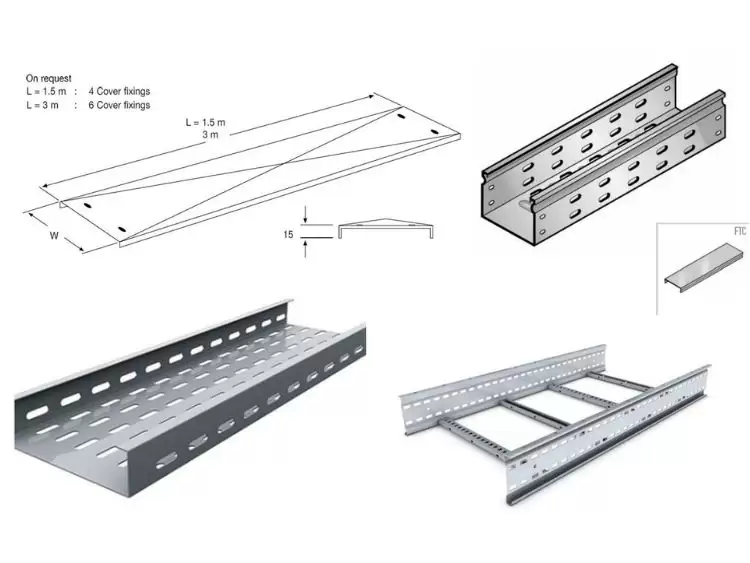
Trough Type Cable Tray
Description: Featuring a solid bottom and continuous side rails, trough cable trays offer maximum cable protection. They are ideal for shielding cables from dust, moisture, and falling debris.
Advantages: Excellent containment and protection, improved safety, and a neat appearance. They are often used with matching cable tray covers for complete enclosure.
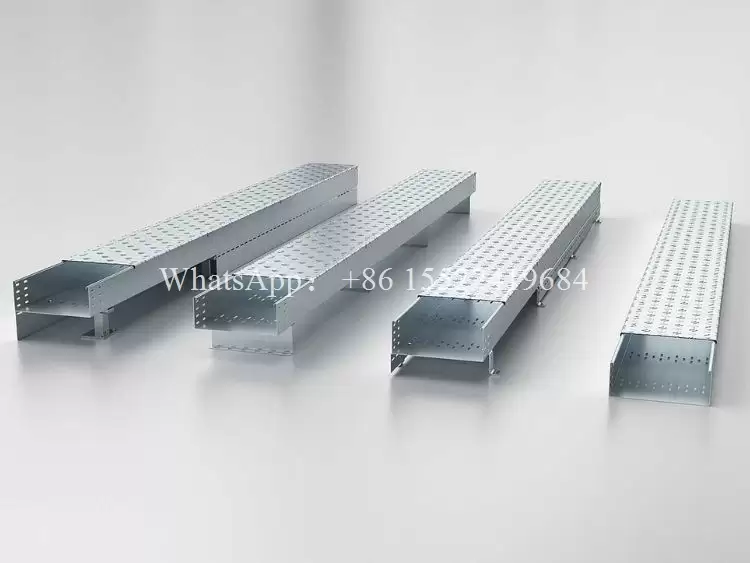
Applications: Perfect for sensitive environments like food processing plants, chemical facilities, outdoor installations, and anywhere where minimal interference is crucial.
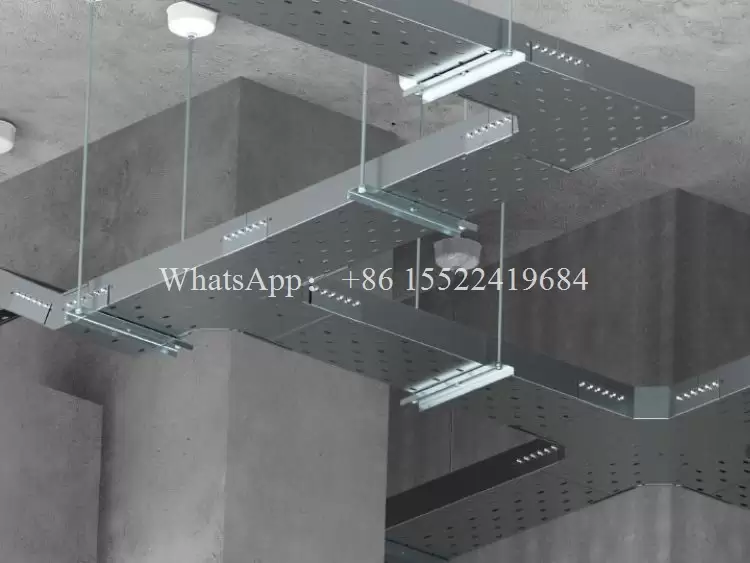
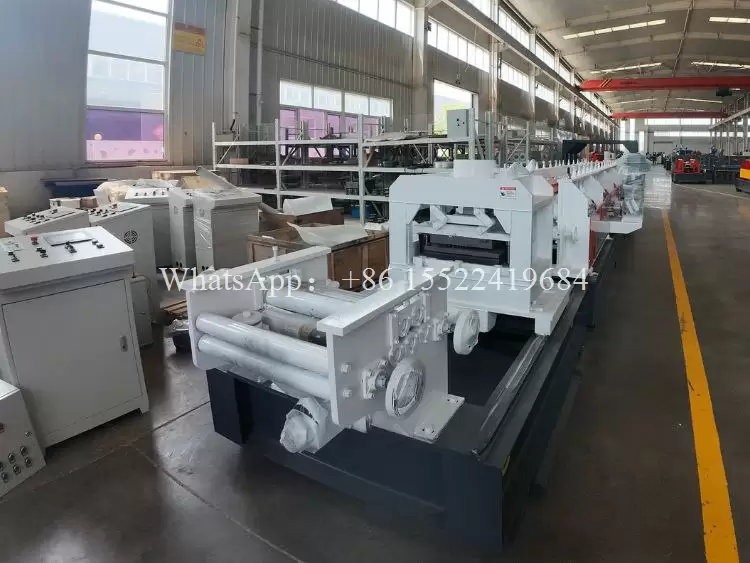
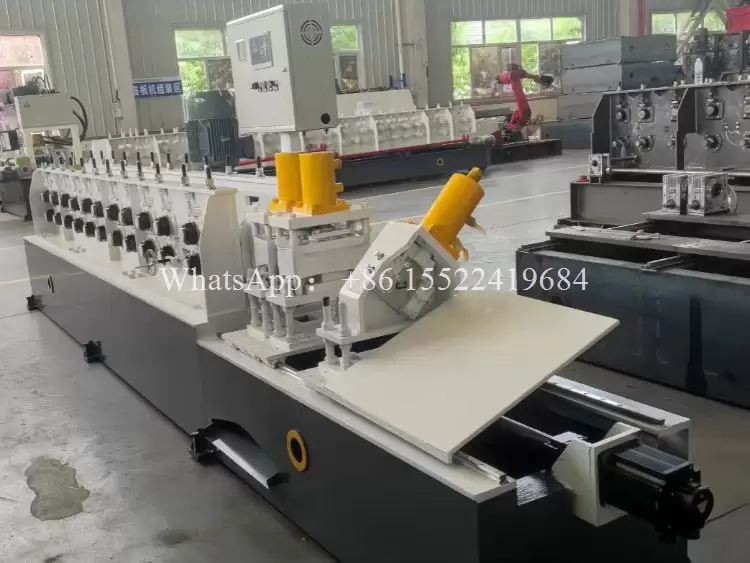
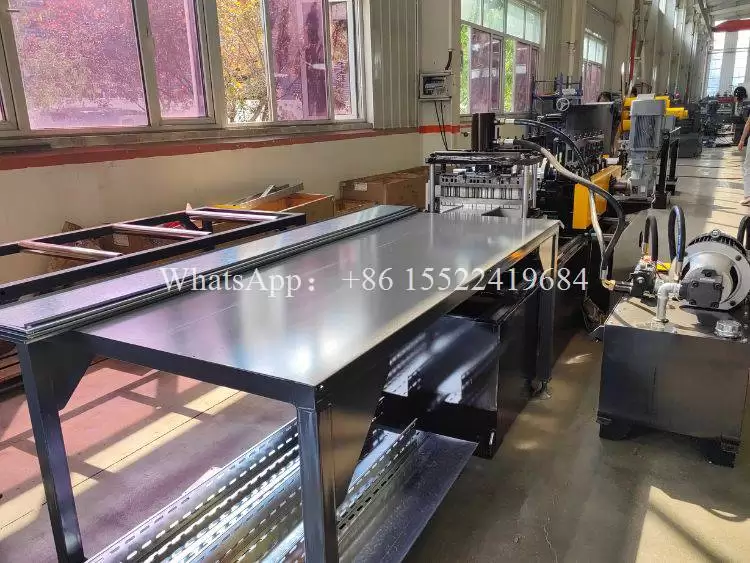
Production Insight: Manufacturing these requires a high-precision cable tray forming machine (specifically a trough type cable tray roll forming machine) to create the consistent U-shaped profile and side walls. A complete cable tray production line often integrates a cable tray punching machine for adding mounting holes or ventilation.
Ladder Cable Tray
Description: Characterized by two side rails connected by individual cross-members (rungs), resembling a ladder. This design ensures superior ventilation and heat dissipation for cables.
Advantages: Lightweight, economical, easy to install and modify, and provides excellent cable visibility for maintenance. Aluminum ladder cable tray versions offer added corrosion resistance and are non-magnetic.
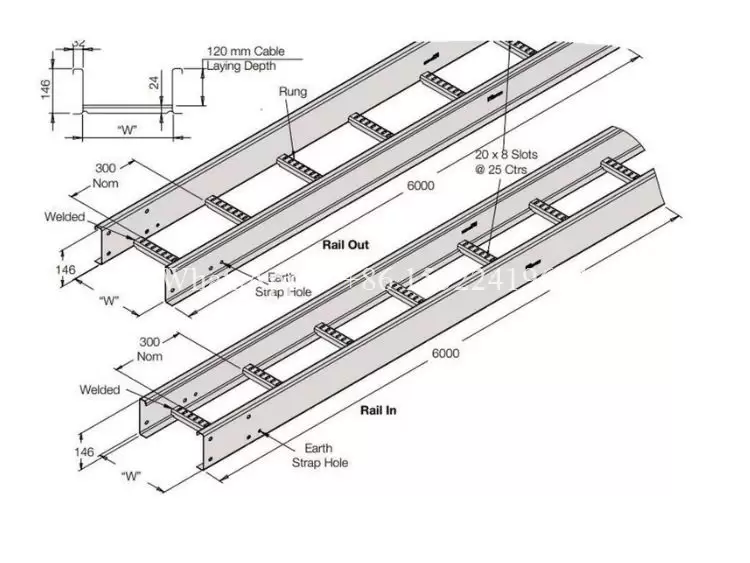
Applications: Widely used in data centers, telecommunications, power plants, and industrial settings where heat buildup is a concern and frequent cable changes are anticipated.
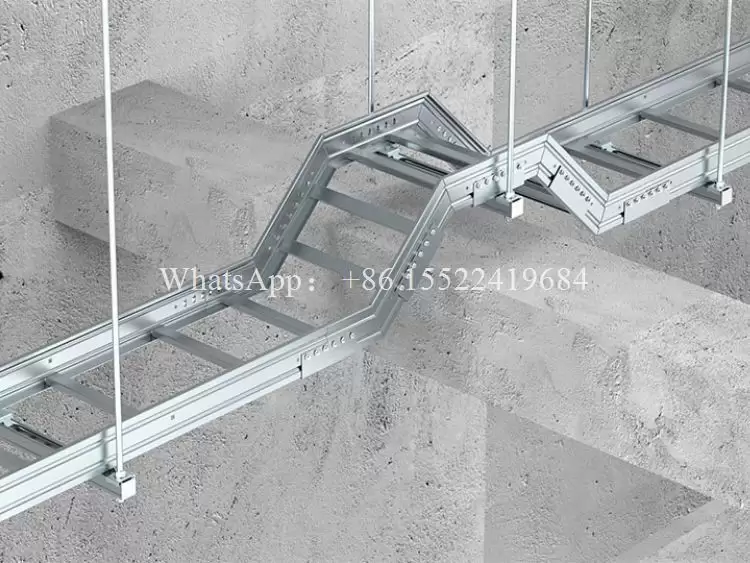
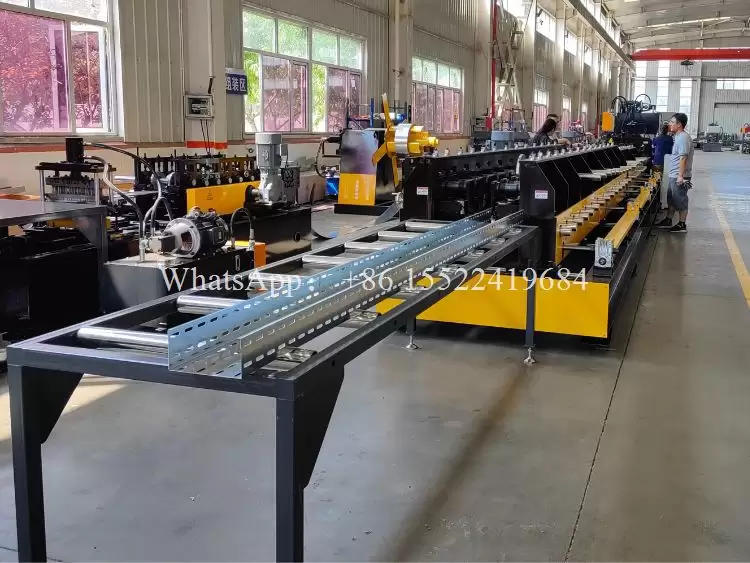
Production Insight: Producing the uniform rungs and side rails demands a ladder cable tray roll forming machine designed specifically for ladder profiles. Heavier-duty versions may require integrated cable tray bending machine stations for stronger side rail angles.
Cable Tray Cover
Description: An accessory rather than a standalone tray, the cover is a critical component used with trough-type trays to create a fully enclosed system.
Advantages: Provides complete environmental protection, enhances safety by preventing accidental contact, and improves aesthetics.
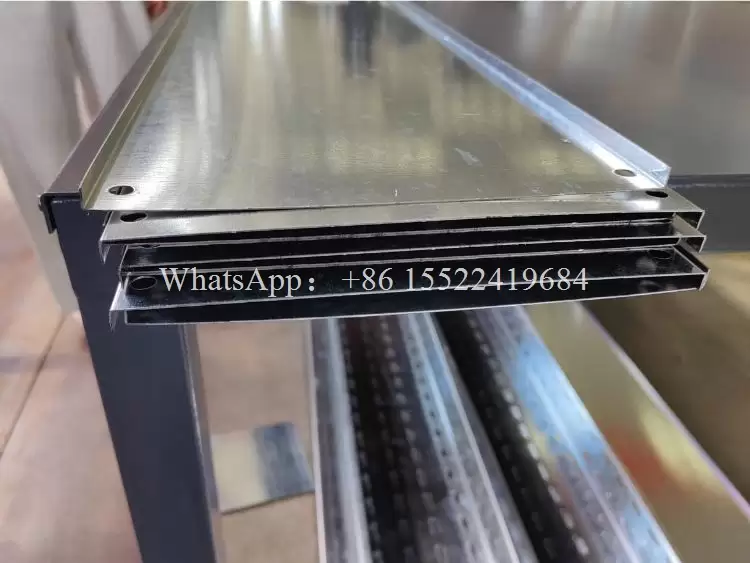
Applications: Used in conjunction with trough trays in any scenario requiring full cable isolation, from plenum spaces to public walkways.
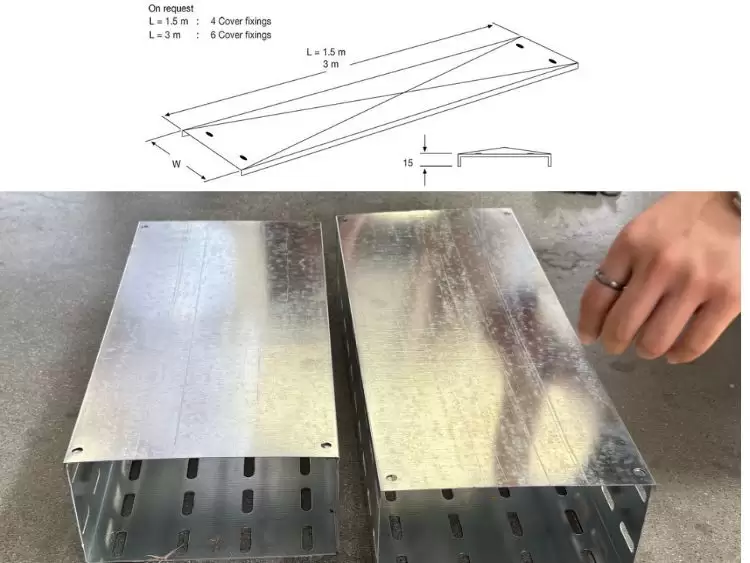
Production Insight: Covers are typically produced on the same versatile cable tray machine line as the trough base, using custom roll forming dies to create the correct snap-on or hinge-ready profile.
European (Wire Mesh / Russian) & British (UK) Styles
European/Russian Style: Often refers to lightweight, welded wire mesh trays. They offer good ventilation, visibility, and are easy to cut on-site. Their production relies more on welding and mesh forming equipment rather than traditional roll forming.
British/UK Style: Typically denotes a pressed steel tray with a distinctive, often deeper, trough design and specific side rail configurations. They are known for their strength and durability.
Applications: Wire mesh trays are common in commercial IT infrastructure and light industrial. UK-style trays are prevalent in heavy industry and infrastructure projects across many Commonwealth countries.
Production Insight: While different from standard trough/ladder machines, specialized cable tray forming machines exist for these styles, often involving custom tooling for the unique sidewall and bottom profiles.
Conclusion: Precision Types Demand Precision Machinery
From the robust protection of trough type cable trays to the efficient ventilation of ladder cable trays, each design serves a distinct purpose in the ecosystem of cable management. The choice depends on the specific environmental, electrical, and budgetary requirements of the project.
Ultimately, the performance and reliability of any cable tray begin long before installation—they begin on the factory floor. Whether it's a standard aluminum ladder cable tray or a custom trough type cable tray, producing consistent, high-quality, and compliant products requires advanced and reliable machinery. This includes everything from the core cable tray roll forming machine and cable tray punching machine to a fully automated cable tray production line.
As experts in cable tray making machines, we provide the technological foundation that enables manufacturers worldwide to produce the precise, durable cable management solutions that power our connected world. Choosing the right tray is vital, but ensuring it's made with the right equipment is fundamental.
