
17
Apr
1. Classified by Installation Form (Most Commonly Used)
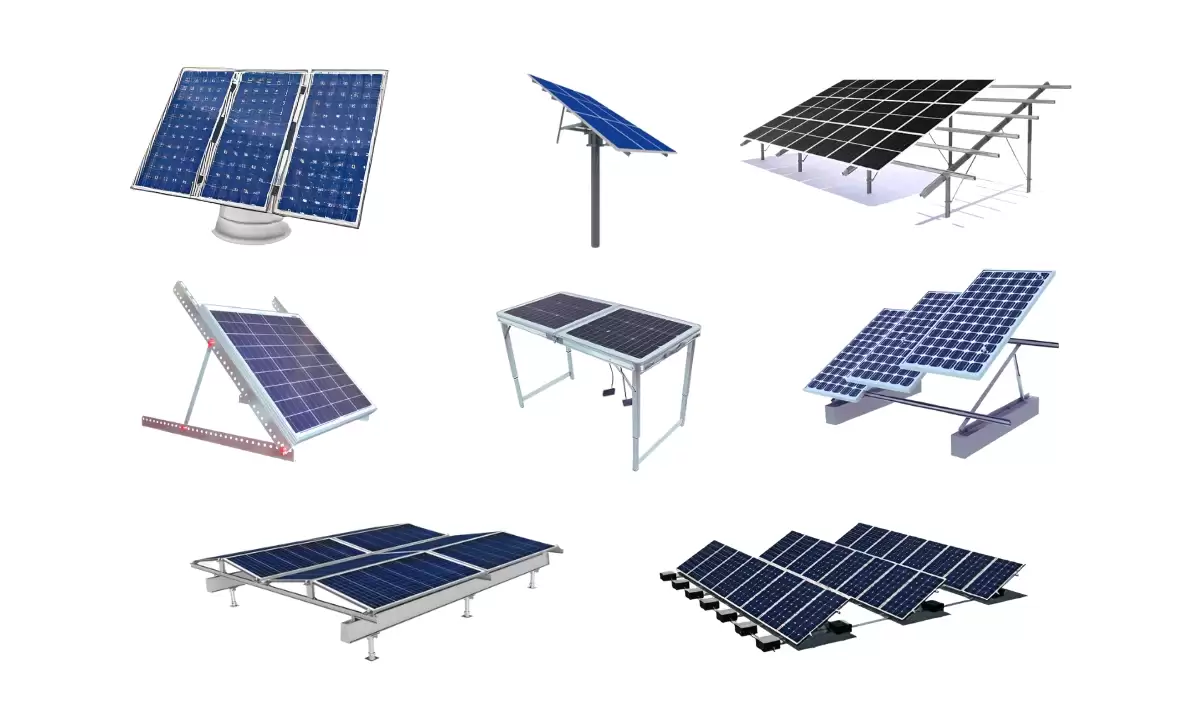
Roof solar mounting brackets: Suitable for distributed photovoltaic projects, including color steel tile roof brackets (for factory workshops and steel structure buildings) and concrete roof brackets (for commercial and industrial rooftops and flat cement roofs). It has the advantages of small space occupation and convenient installation, and is widely used in industrial and commercial buildings and residential areas.
Ground solar mounting brackets: Mainly used in large-scale centralized photovoltaic power stations, suitable for open areas such as wastelands, hillsides and farmland. They have strong bearing capacity and can be flexibly adjusted according to the terrain slope. They are the most used bracket type in the market and can meet the centralized layout needs of large-scale photovoltaic projects.
Special scenario brackets: Including solar carport brackets (special for parking lots, with both power generation and sunshade/rainproof functions), agricultural PV brackets (heightened design, not affecting crop planting and lighting), and fishery PV brackets (adapted to water environments, waterproof and anti-corrosion, realizing dual benefits of "fishery + power generation"), which are suitable for diversified photovoltaic application scenarios.
2. Classified by Material
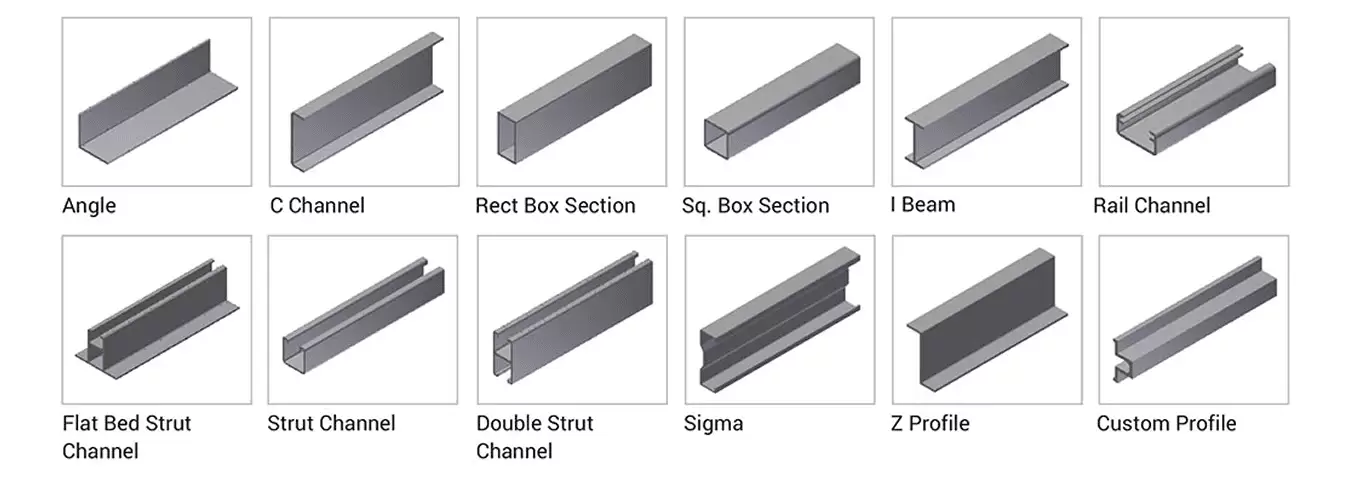
Hot-dip galvanized steel brackets: High cost performance, high strength, wind and snow resistance, and corrosion resistance. After hot-dip galvanizing treatment, the service life can reach more than 25 years. They are the mainstream choice for industrial photovoltaic projects and large-scale power stations, balancing practicality and economy.
Aluminum alloy solar mounting brackets: Light weight and excellent corrosion resistance, no complicated anti-corrosion treatment is required. They are suitable for coastal high-salt fog environments and rooftop distributed photovoltaic projects, easy to install, and can effectively reduce the roof load-bearing pressure.
Stainless steel brackets: Extremely strong corrosion resistance, suitable for special environments with high corrosion and high humidity (such as coastal tidal flats and around chemical plants), long service life, but high cost, mostly used in high-end projects with special requirements for bracket performance.
3. Classified by Adjustment Method
Fixed solar brackets: Fixed angle, simple structure, low cost and convenient maintenance. They are the most used type in the market, suitable for areas with relatively stable lighting conditions, and can meet the basic needs of most photovoltaic projects.
Adjustable solar brackets: The bracket inclination can be manually adjusted, and the angle can be adjusted according to seasonal changes (such as the difference in solar altitude angle in spring, summer, autumn and winter), improving the power generation efficiency in different seasons, and adapting to areas with variable lighting conditions.
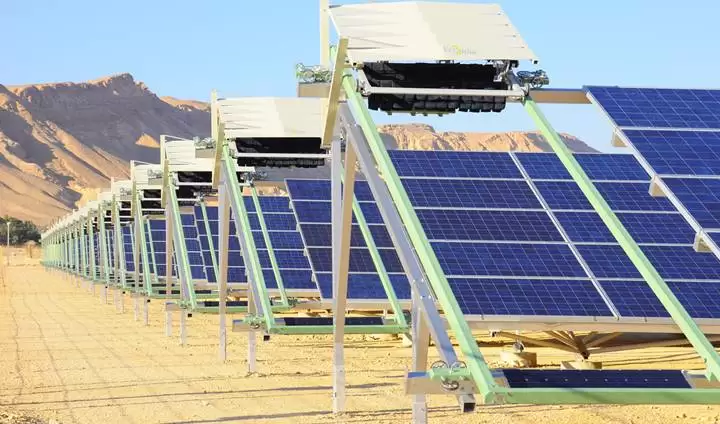
Solar tracking brackets: Automatically follow the sun's rotation (divided into single-axis tracking and dual-axis tracking), can adjust the module angle in real time, maximize the reception of solar radiation, and the power generation efficiency is 15%-30% higher than that of fixed brackets. They are mostly used in large-scale centralized photovoltaic power stations to pursue higher power generation benefits.
III. Wide Applications of Solar Mounting Brackets, Empowering Green Development in Multiple Fields
The application scenarios of solar mounting brackets have extended from traditional large-scale centralized power stations to various fields such as industry and commerce, residents' lives, agriculture and fishery, becoming an important support for achieving the "dual carbon" goal:
Industrial field: Install solar mounting brackets on the roofs of factory workshops to build distributed photovoltaic systems, realize self-use and surplus power grid connection, reduce enterprise electricity costs, and practice the concept of green production.
People's livelihood field: Install solar mounting brackets on residential roofs and community parking lots to build photovoltaic roofs and solar carports, which not only meet the daily electricity needs of residents, but also obtain additional power generation benefits, realizing green life.
Agricultural field: In agricultural PV complementary and photovoltaic greenhouse projects, solar mounting brackets are combined with agricultural planting, generating electricity above and planting below, realizing the coordinated development of "agriculture + new energy" and increasing agricultural added value.
